

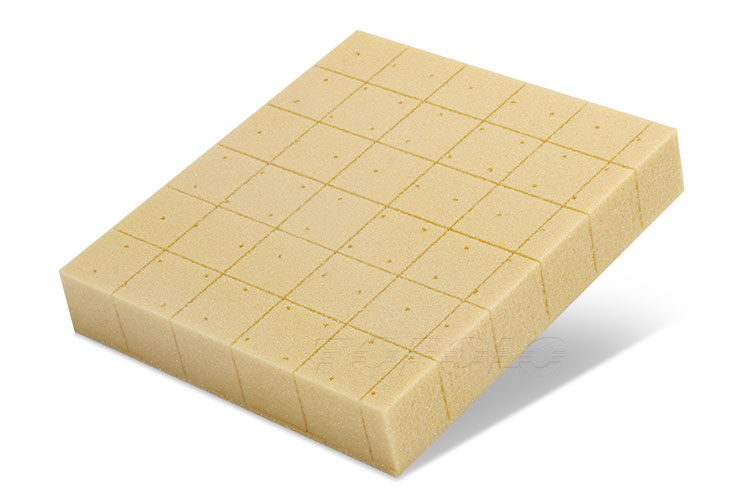
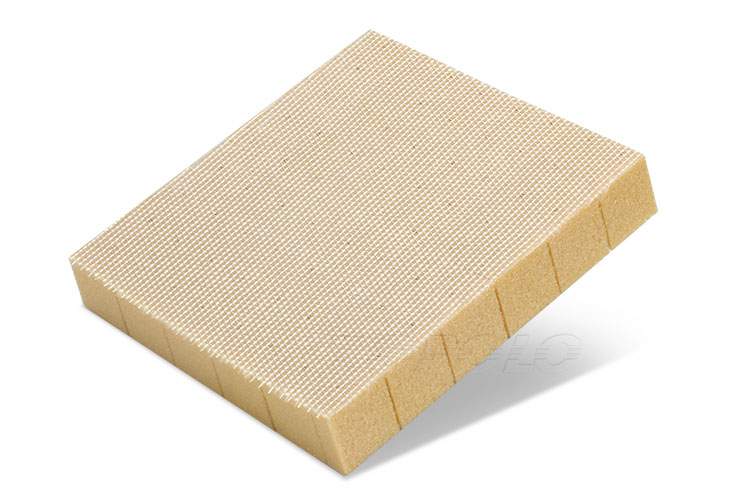
Rigid PVC foam boards are widely used in ships, yachts, speedboats and other marine engineering composite structures, and are especially suitable as core materials for sandwich composite materials reinforced with glass fiber, carbon fiber and other materials.
Product Parameters
- Thickness: 3.0-30mm.
- Density: 60 / 80 / 100 / 130 / 200 kg/m³.
- Size: 1220 x 2440mm, 915 x 1830mm, 1560 x 3050mm, 2050 x 3050mm, etc.
Description

Typical Applications in Shipbuilding
- PVC foam boards can be used for:
- Boat Hulls
- Boat Decks
- Cabin Structures
- Bulkheads
- Cabin Roofs
- Cockpit Structures
- Superstructures
- Interior Panels
- Hatches and Doors
- Marine Composite Panels
Performance Parameters
| Density (kg/m³) | 60 | 80 | 100 | 130 | 200 |
| Tensi Te Strength (Mpa) | 1.8 | 2.5 | 3.5 | 4.8 | 7.1 |
| Tensi le Modu7us (Mpa) | 75 | 95 | 130 | 175 | 250 |
| Compressive Strength (Mpa) | 0.9 | 1.4 | 2 | 3 | 4.8 |
| Compressive Modu7us (Mpa) | 72 | 90 | 135 | 170 | 240 |
| Shear Strength (Mpa) | 0.76 | 1.15 | 1.6 | 2.2 | 3.5 |
Advantages of PVC Foam
- Lightweighting
PVC foam core material has a low density, significantly reducing the weight of sandwich structures. For ships and yachts, reduced structural weight helps lower energy consumption and improves speed, maneuverability, and load-bearing capacity.
- Good Strength and Stiffness
PVC foam possesses good compressive strength, shear strength, and dimensional stability. When combined with FRP or carbon fiber face materials, it can form lightweight sandwich structures with high flexural stiffness.
- Excellent Water Resistance
PVC foam boards typically have a closed-cell structure and low water absorption, maintaining stable performance in long-term humid and marine environments, making them suitable for use in internal and external composite structures for ships.
- Corrosion Resistance
PVC materials exhibit good resistance to water, salt spray, and various chemical media. Unlike wood core materials, they are not prone to rotting, making them particularly suitable for marine environments.
- Good Resin Compatibility
PVC materials are compatible with various manufacturing processes, including vacuum infusion, resin infusion, hand lay-up, and other composite molding processes.
Processing of PVC Foam Board
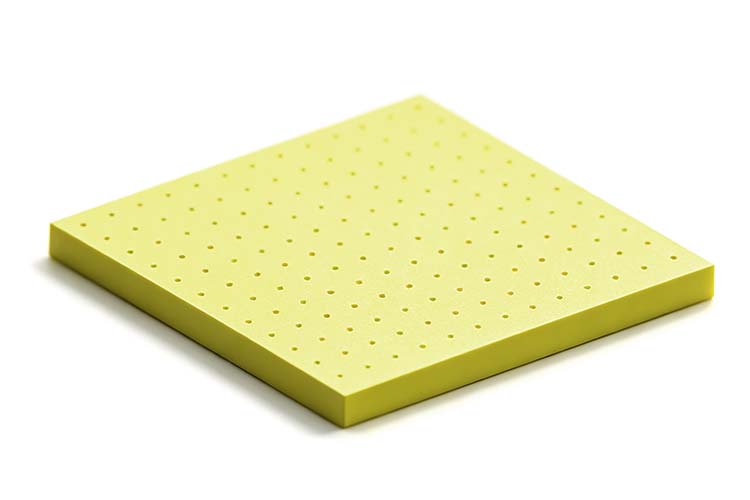
- Aperture 2 – 3 mm, hole distance 20 x 20 mm, punching thickness 5-60mm.
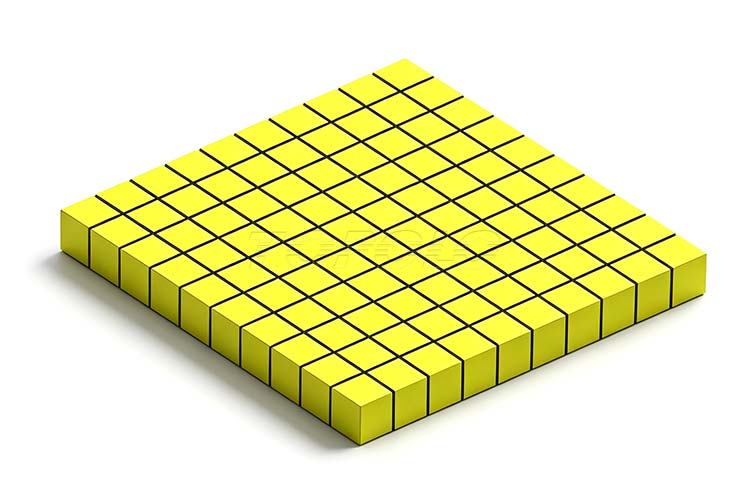
- Slot width, slot depth 2 mm, slot spacing 20 x 20 mm.
- Slot width and depth 2 mm, slot distance 20 x 20 mm, holes drilled at the junction of slots.
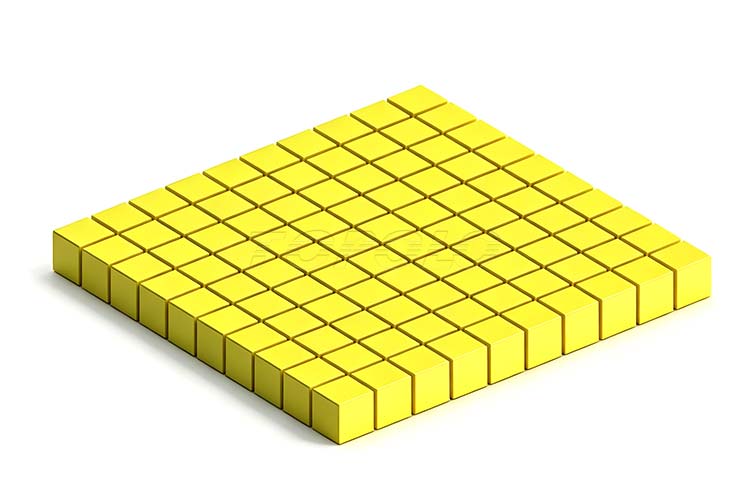
- Slot width 1 mm, leave the bottom 2 mm, slot distance 30 x 30 mm, stick mesh cloth on the back.
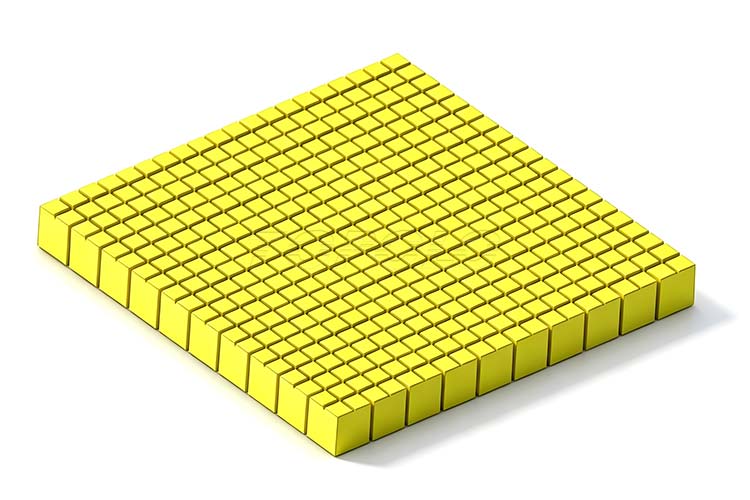
- Deep groove width 1mm,shallow groove width 2mm, shallow groove in the middle of the deep groove,groove distance 30 x 30 mm.
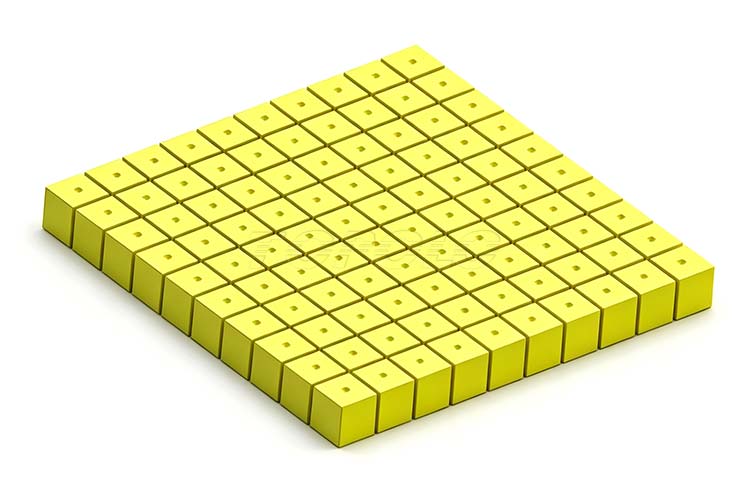
- Slot width Imm, leave bottom 2mm, slot distance 30 x 30 mm, aperture 2 mm, hole distance 30 x 30 mm, hit in the middle of the block.
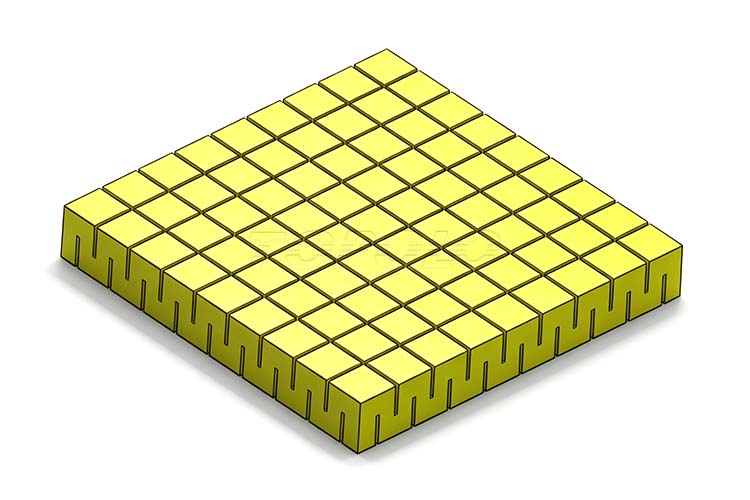
- The upper and lower slots are staggered, the depth of the slot is 55-60% of the thickness of the plate, and the slot distance is 30 x 30 mm.
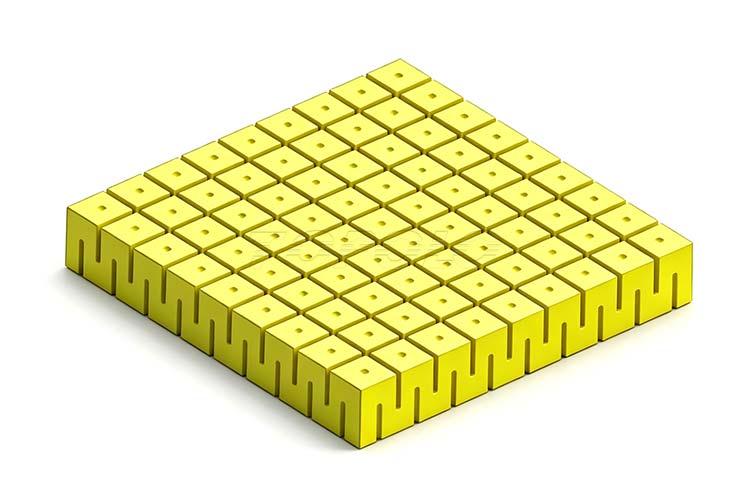
- Upper and lower slots stagger, slot distance 30 x 30 mm, hole distance 30 x 30 mm, hole in the middle of a small piece.