
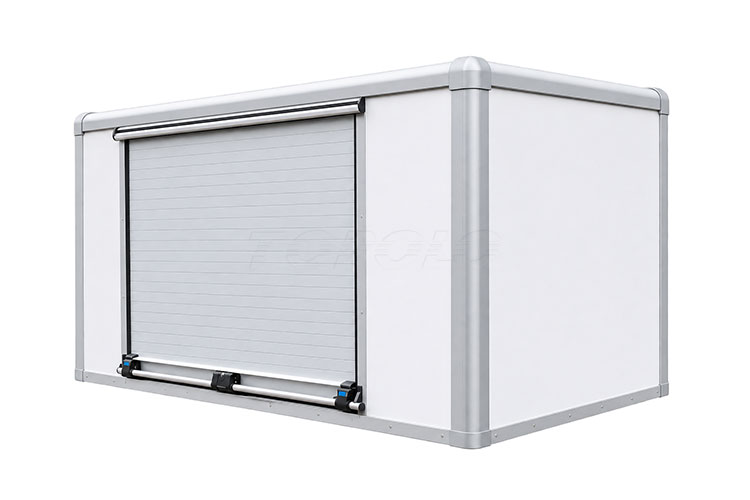
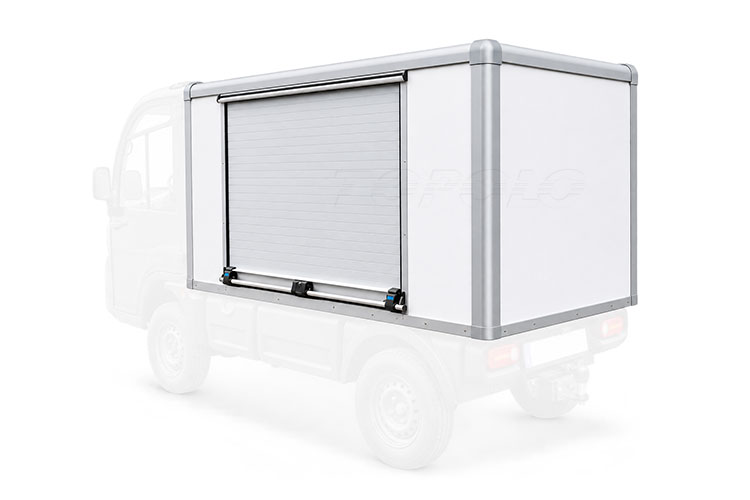
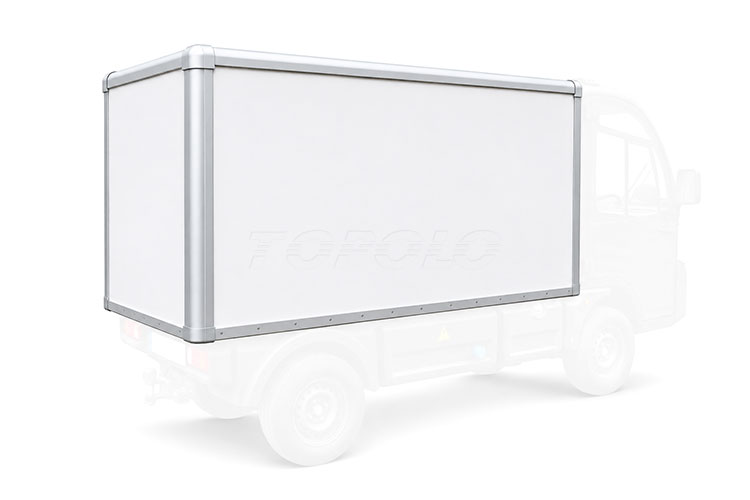
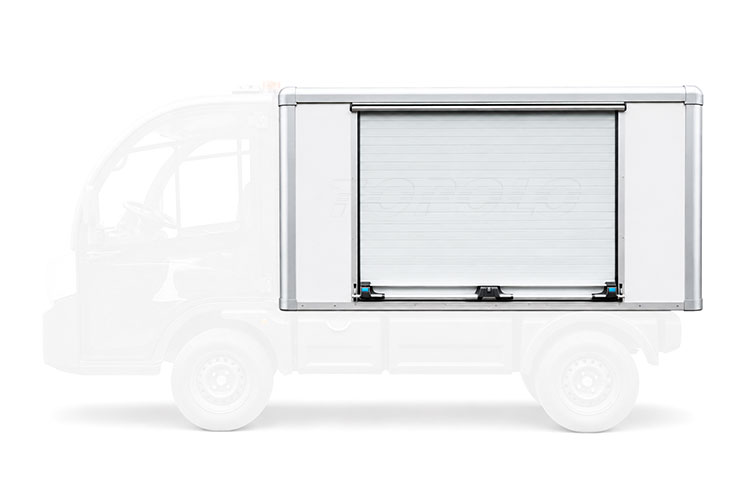
Lithium-battery light-duty trucks utilize an advanced lithium-battery powertrain, replacing traditional internal combustion engines with electric propulsion. These vehicles offer numerous advantages, including zero tailpipe emissions, low operational noise, high energy efficiency, and reduced maintenance costs. They are well-suited for a wide range of applications, such as urban logistics and delivery, factory material transport, warehouse handling, operations within industrial parks, agricultural transport, and short-haul cargo distribution.
Description
Specifications
| Dimensions (LxWxH) | 3.7m × 1.3m × 1.93m or customized |
| Box panels | FRP skin sandwich panels (PET foam core , PP honeycomb Core, or Plywood Core) |
| Floors | Anti-slip |
| Door design | Aluminum roll-up doors |
| Connecting profile | Aluminum alloy extrusion profile |
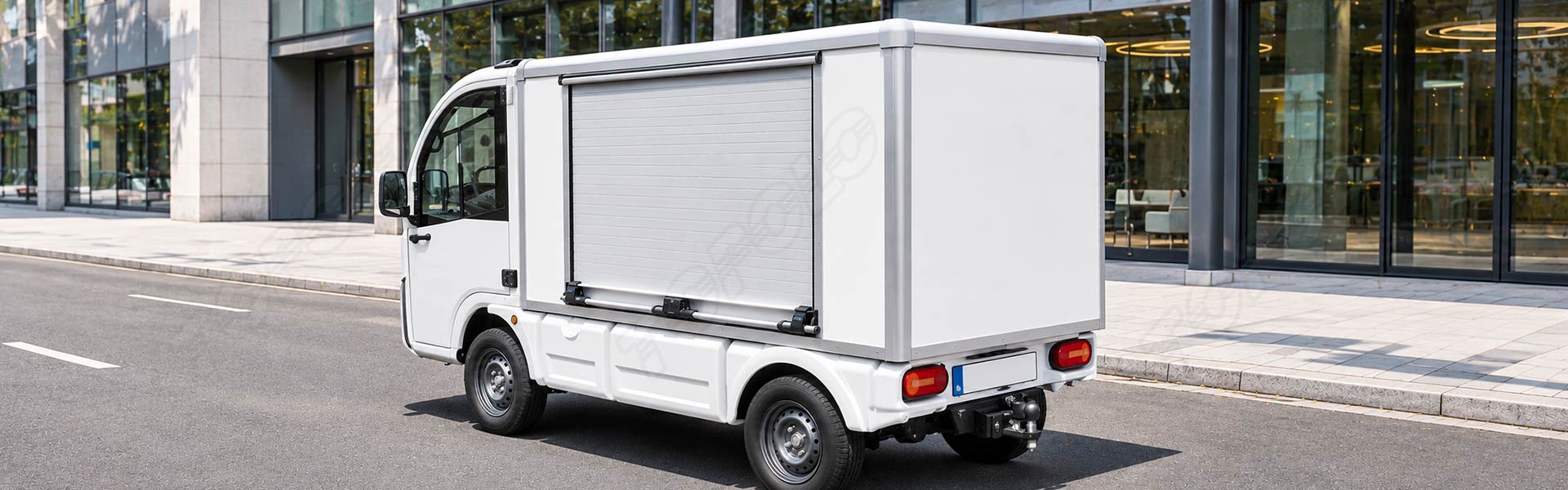
Lightweighting has become a key development direction in the design and manufacturing of new energy commercial vehicles.
As the global logistics and transportation industry shifts toward greener, low-carbon, and electrified operations, new-energy trucks powered by lithium batteries are gradually transforming the landscape of the traditional freight market. An increasing number of logistics companies are adopting these new-energy vehicles for commercial transport, aiming to reduce both energy consumption and daily operating costs. However, compared to traditional internal combustion engine trucks, the power battery systems in new energy trucks typically increase the vehicle’s curb weight, placing greater demands on both payload capacity and driving range. Consequently, lightweight design has emerged as a key development priority in the design and manufacturing of new energy commercial vehicles. By reducing the weight of the cargo body, it is possible—without altering the vehicle’s powertrain—to lower energy consumption during operation, optimize the vehicle’s load distribution, and create favorable conditions for increasing payload capacity and extending real-world driving range.
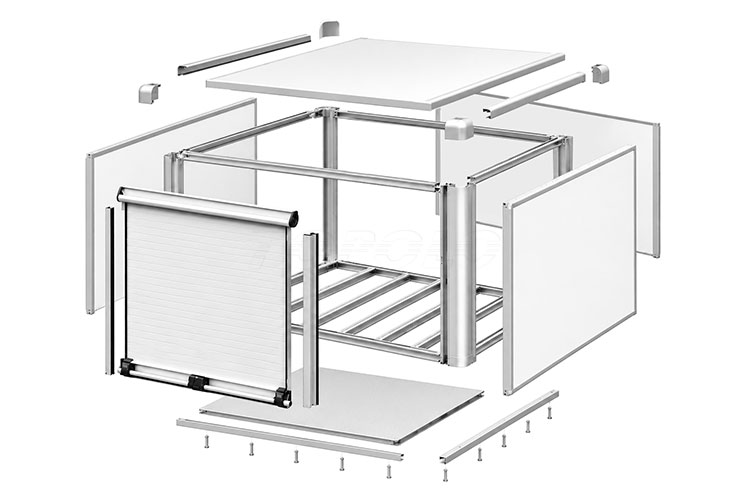
Modular Cargo Box Structure
TOPOLO employs a modular design philosophy, configuring the side panels, roof, front panel, floor, and door system of the cargo box as independent, standardized structural units that fit together with high precision. Each module can be produced separately through standardized, mass-production processes, which effectively enhances production efficiency and ensures product consistency. By optimizing the connection methods between these modules, the cargo box can be assembled rapidly—streamlining production and assembly workflows while reducing manufacturing costs.
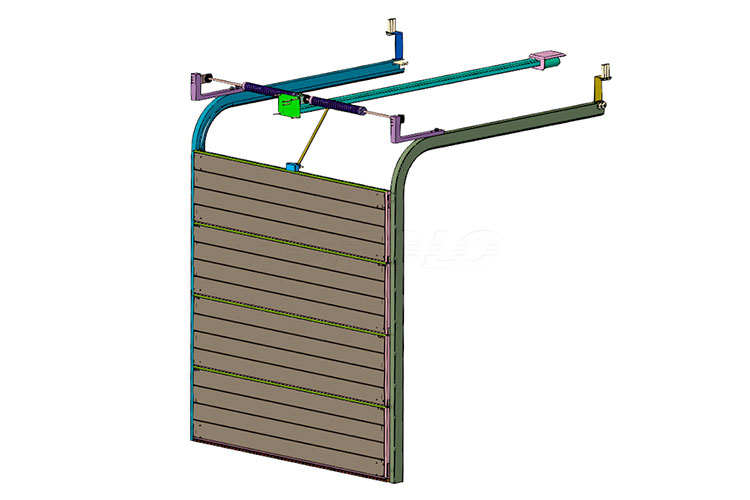
Lightweight Aluminum Roll-Up Door
Roll-up doors are a common type of rear-access door for modern logistics cargo bodies. They allow drivers and loading personnel to open and close the cargo space quickly, making them especially well-suited for urban delivery, express transport, and trucks that require frequent loading and unloading.
Lightweight Composite Materials
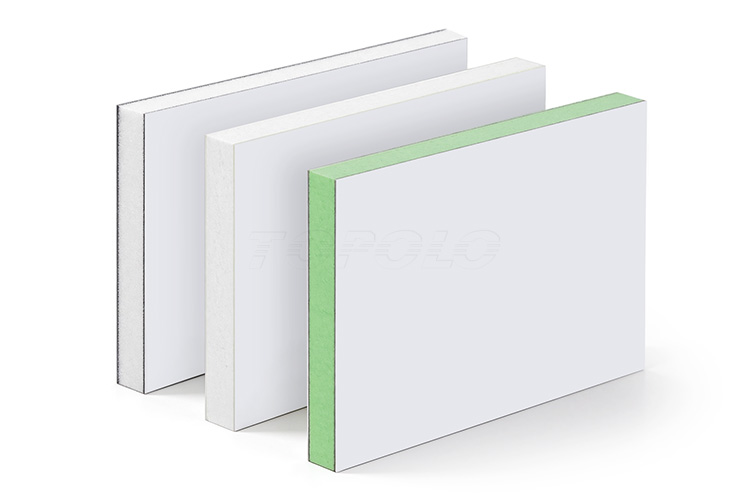
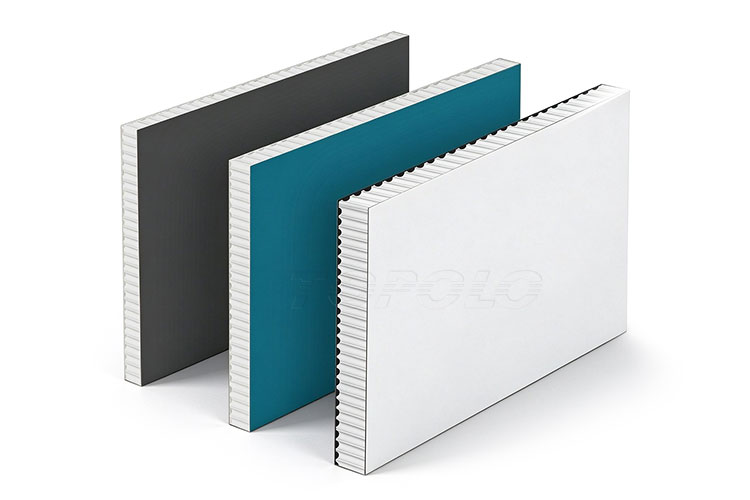
Material selection is the foundation for achieving lightweight cargo boxes. Traditional cargo boxes typically utilize steel plates, wood panels, or other heavy structural materials; while these meet basic transport requirements, they present limitations in terms of weight management, corrosion resistance, and long-term maintenance. TOPOLO places great emphasis on lightweight design and durability in material development, striving to reduce material consumption and extend the service life of cargo boxes. TOPOLO employs advanced composite sandwich panel technology, combining lightweight, high-strength FRP (Fiber-Reinforced Plastic) skins with a lightweight core material. This approach reduces panel weight while ensuring the structural strength, rigidity, and durability required for cargo boxes.
Use of Environmentally Friendly and Recyclable Materials
At the same time, we are committed to improving environmental performance by continuously exploring more sustainable composite material solutions.
As global environmental regulations and sustainability requirements become increasingly stringent, the environmental performance of cargo box materials has become an important consideration for commercial vehicle manufacturers and logistics companies. Both PET (polyethylene terephthalate) foam and PP (polypropylene) honeycomb cores are thermoplastic polymer materials with recycling potential. These materials can be recycled and reprocessed, helping to improve resource efficiency and promote more sustainable material utilization.

Lightweight Aluminum Alloy Profiles
Aluminum alloy profiles are essential components used to join the composite panels of cargo boxes, reinforce corner structures, and ensure the overall stability of the box body. TOPOLO utilizes lightweight aluminum alloy profiles to construct the framework, corner connections, and necessary structural reinforcements for cargo boxes, allowing the composite panels to be securely joined to form a complete and stable unit.

TOPOLO – Custom OEM/ODM Box Bodies
As a professional manufacturer of van body boxes, TOPOLO is dedicated to providing lightweight, high-strength, and durable cargo box solutions for new energy commercial vehicles. By utilizing innovative composite materials, optimizing structural design, and incorporating lightweight aluminum alloy components, TOPOLO achieves systematic weight reduction—from the materials used to the overall structure—ensuring that the cargo boxes are ideally suited for lithium-battery-powered light and medium-duty logistics trucks.


