Specifications
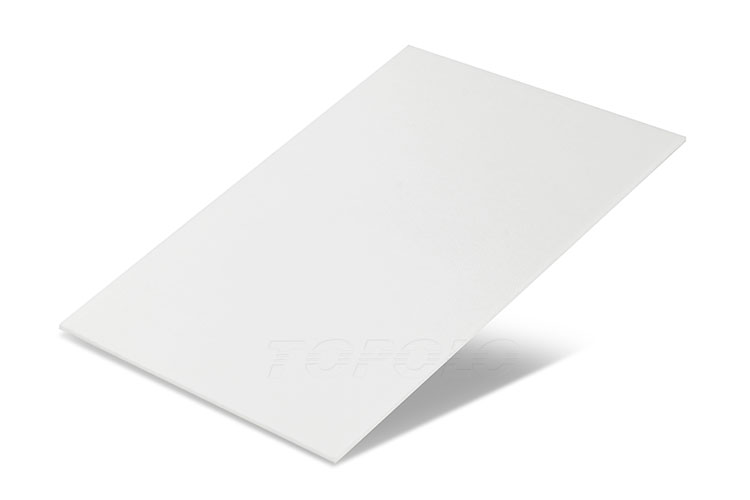
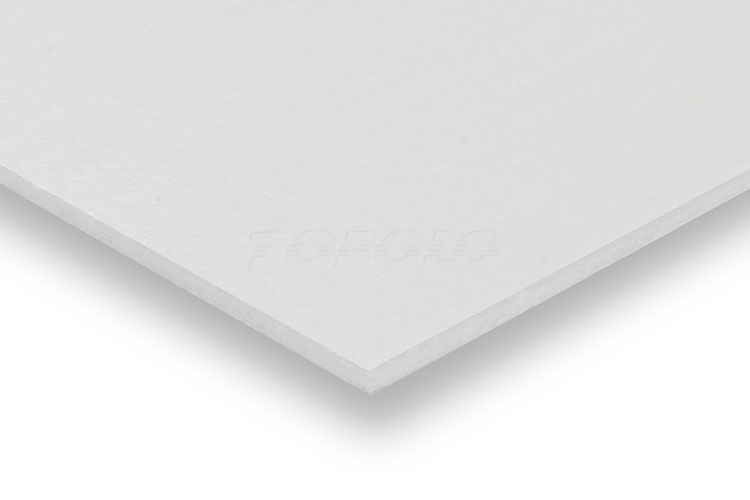
- Thickness: 3.0mm.
- Fiberglass content: 30–40%。
- Area weight: 1000g/㎡.
Description

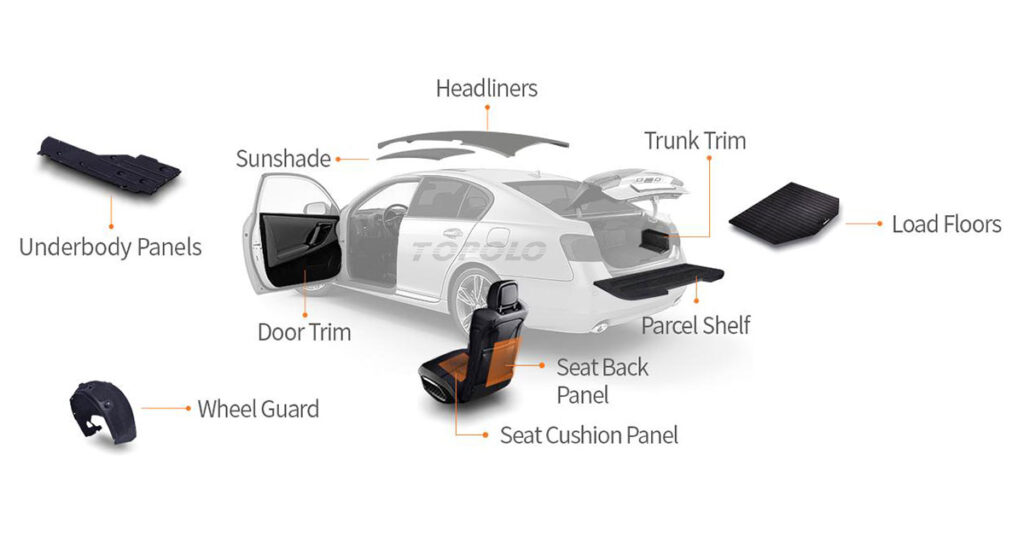
LWRT (Lightweight Reinforced Thermoplastic) material, also known as PPGF (Polypropylene Glass Fiber), is a type of GMT (Glass Mat Reinforced Thermoplastic) material. As an extremely lightweight composite material, it is widely used in automotive body structures. It combines the advantages of being lightweight, high-strength, environmentally friendly, and easy to mold, making it a mainstream high-end interior material for automotive headliner design.
Lightweight reinforced thermoplastic sheets are a type of composite material specifically designed for automotive interior headliners, roof linings, and other components. They are manufactured through processes such as lamination, needle punching, and hot pressing, reducing overall vehicle weight while maintaining rigidity, formability, and durability.

Product Advantages
- Lightweight Advantages
LWRT typically has a density of 0.8–1.2 g/cm³, significantly lower than steel plates and solid plastics, resulting in weight reductions of 20%–50%.
- High Strength & High Rigidity
LWRT possesses excellent bending resistance, superior impact resistance, and is less prone to breakage (more reliable than pure plastics).
- Reliable structural stability
Low coefficient of thermal expansion, no springback after molding. Not prone to warping, deformation, shrinkage, or springback due to temperature changes or long-term stress; maintains its original structural shape even under high and low temperature cycling conditions.
- Excellent Sound Insulation and Absorption Properties
The internal fiber structure has natural sound-absorbing capabilities, helping to reduce road noise, tire noise, and rear axle vibration transmission.
- Environmentally Friendly & Recyclable
The main component is thermoplastic polypropylene (PP), which is recyclable.
- Cost and Process Advantages
Thermoforming LWRT materials are rapidly produced into final products, suitable for mass production and reducing manufacturing costs.
Performance Parameters
| Area weight (g/m²) | thickness | Heating expansion thickness | Formable thickness (excluding overlay) | Bending Strength (50mm wide*4.5mm thick) | |
| MD | TD | ||||
| 850 | 2mm | 6mm | 2~5mm | 10N | 8N |
| 950 | 2mm | 8mm | 2~5mm | 12N | 10N |
| 1050 | 2.2mm | 10mm | 2.5~6mm | 15N | 12N |
| 1100 | 2.6mm | 10mm | 2.5~6mm | 20N | 15N |
| 1200 | 2.8mm | 10mm | 2.5~6mm | 25N | 16N |
| 1500 | 3mm | 12mm | 2.5~7mm | 40N | 25N |
| 1800 | 3.5mm | 12mm | 2.5~8mm | 55N | 30N |
| 2100 | 4mm | 15mm | 3~8mm | 75N | 50N |
| 2500 | 5mm | 15mm | 4-8mm | 100N | 65N |
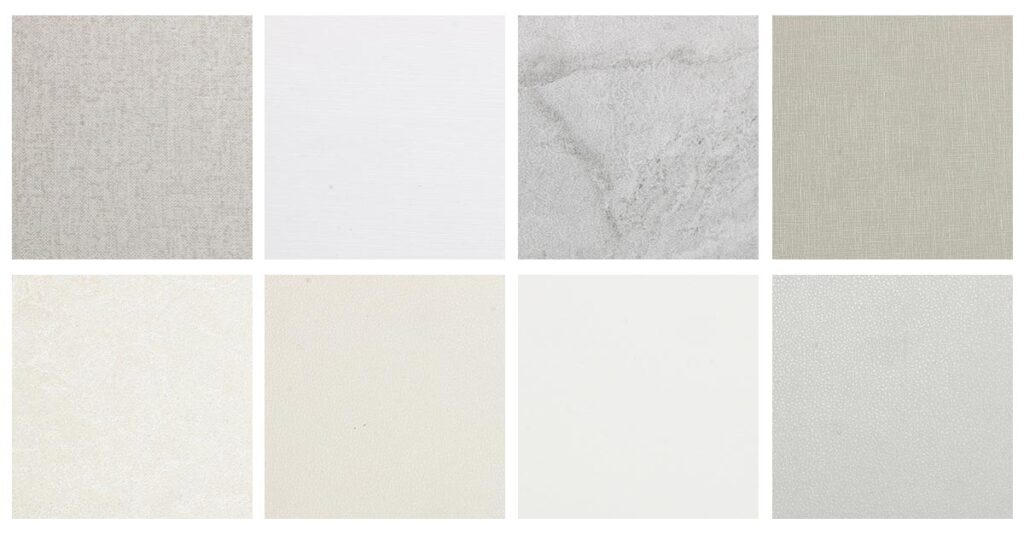
Surface Patterns and Textures
To meet the personalized and diverse needs of automotive interior decoration, we have designed a variety of surface patterns and textures based on LWRT material to enhance the aesthetics and tactile experience of the headliner and interior trim.
LWRT in Automotive Applications
- Trunk system.
- Door interior trim.
- Headliner system.
- Floor system.
- Acoustic and thermal insulation components.