

Product Parameters
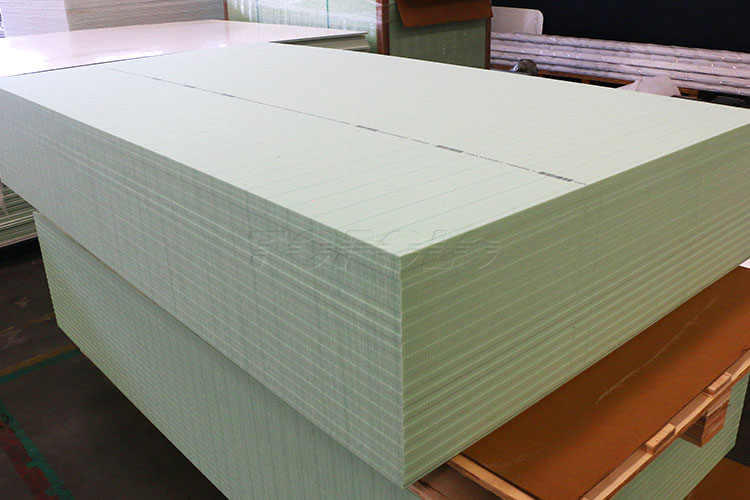
- Thickness: 12.7mm. (Customized: 3.0~150mm)
- Size: 1220*2440mm or Customized.
- Density: 135kg/m³. (Customized: 60~300kg/m³)
- Compression Strength: ≥1.5Mpa.
- Compression Modulus: ≥65Mpa.
- Shear Strength: ≥0.75Mpa.
- Shear Modulus: ≥20Mpa.
- Shear Deformation: ≥5%.
- Tensile Strength: ≥2.2Mpa.
- Tensile Modulus: ≥85Mpa.
Description
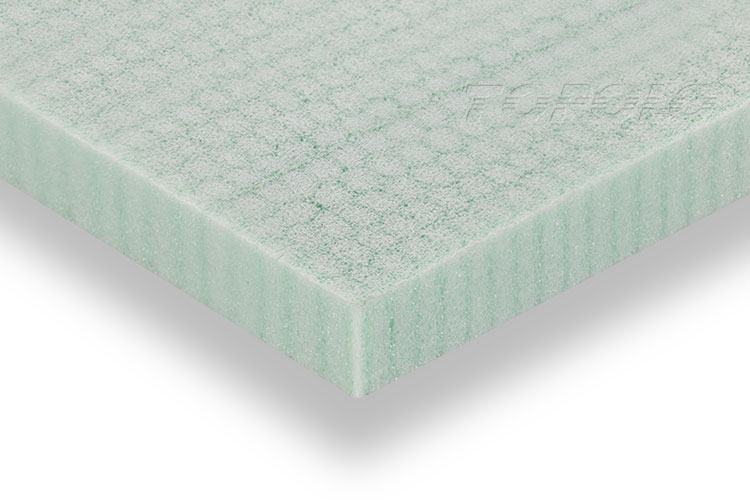
Polyethylene terephthalate (PET) foam is a recyclable thermoplastic polymer foam material. Being 100% eco-friendly and recyclable—capable of being melted and reprocessed to achieve closed-loop recycling—it serves as an ideal alternative to traditional thermoset foams. Recycled PET (RPET) foam holds significant market potential.
Typical Characteristics
☑ Closed-Cell Structure
The independent and isolated cells provide low water absorption, as well as excellent thermal insulation and sound insulation performance.
☑ Thermoplastic Nature
PET foam can be reshaped when heated, making it suitable for thermoforming and enabling physical recycling.
☑ Adjustable Density
The density can be controlled through the foaming process, typically ranging from 60 to 300 kg/m³. Different densities provide different mechanical properties and are suitable for various application scenarios.
☑ Excellent Heat Resistance
The glass transition temperature is approximately 75–80°C, while the heat deflection temperature can exceed 100°C, allowing PET foam to meet the temperature requirements of most composite manufacturing processes, such as prepreg curing and resin transfer molding (RTM).
The Importance of Recycled PET Foam
While governments around the world have taken many steps to limit carbon emissions, the effects of increased carbon dioxide in the atmosphere continue to cause environmental damage. Plastic products are associated with significant carbon emissions during production and transportation. Reduce greenhouse gas emissions by expanding the recycling of plastics, especially ethylene terephthalate (PET) plastics. Improving recycling programs for this material will help reduce carbon emissions from many industries associated with plastic products. By implementing viable plastic recycling strategies, recycled PET foam will have a significant impact on manufacturing and the plastics industry associated with it.

Applications of Recycled Rigid PET Foam

☑ Core Material for Composite Panels
RPET foam can be used as the core material in composite sandwich panels and combined with FRP, CFRT, aluminum sheets, and other skin materials to create lightweight, high-strength structures. It is particularly suitable for box trucks, RVs, transportation equipment, and industrial enclosures, helping reduce overall weight while providing good structural support and thermal insulation.

☑ Carving and Machining
RPET foam features a uniform closed-cell structure and good machinability. It can be processed using CNC carving, cutting, milling, drilling, and other machining methods. Its ease of shaping and trimming makes it suitable for producing models, display props, advertising signs, structural components, as well as auxiliary molds and core materials for composite manufacturing.
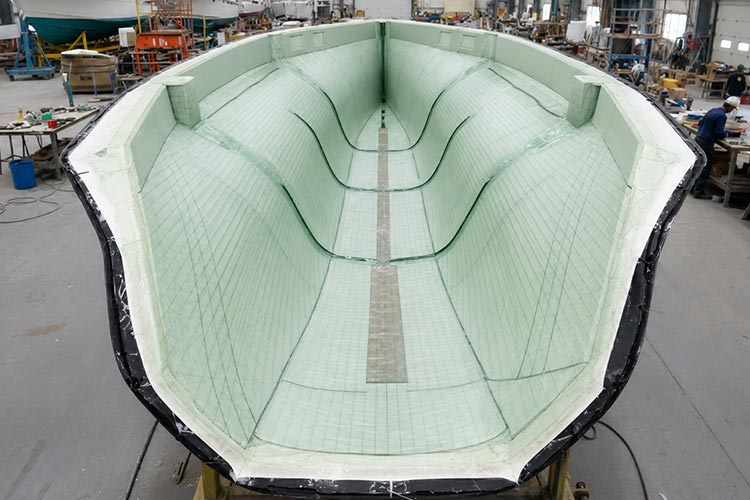
☑ Filling and Support Material
With its lightweight properties, low water absorption, and adequate structural strength, RPET foam can be used as a filling and support material in furniture, marine structures, and other applications. Typical uses include furniture liners, cabinet filling, boat cabin wall cores, and decorative structural filling layers, helping reduce weight while improving structural stability.